Posts

Showing posts with the label CuriousWorlds blog

The Enigmatic World of Deep-Sea Hydrothermal Vents πŸŒŠπŸ”¬

Image
 Let's dive into the mysterious and fascinating world of deep-sea hydrothermal vents, where life thrives in the most extreme conditions. At CuriousWorlds , we explore these unique ecosystems, their significance, and the incredible organisms that call them home. What are Hydrothermal Vents? Hydrothermal vents are fissures on the seafloor that release geothermally heated water. They are typically found in volcanic regions and are characterized by their extreme conditions, including high temperatures and high pressure. The Unique Environment of Hydrothermal Vents Hydrothermal vents create a unique environment where life can thrive in the absence of sunlight. These ecosystems rely on chemosynthesis, a process where microorganisms convert chemicals from the vent fluids into energy, supporting a diverse community of organisms. Incredible Life Forms at Hydrothermal Vents Tube Worms : These remarkable creatures can grow up to 2 meters long and have no digestive system. They rely on symbiot...

The Role of Bees in Our Ecosystem: More Than Just Honey Makers 🐝🌸

Image
 Bees are often recognized for their honey, but their role in our ecosystem goes far beyond that. At CuriousWorlds , we explore the vital importance of bees, the challenges they face, and what we can do to protect them. The Importance of Bees Bees play a crucial role in pollinating plants, which is essential for the production of fruits, vegetables, and nuts. Without bees, many of the foods we enjoy would be in short supply, and ecosystems would struggle to maintain biodiversity. How Bees Pollinate Pollination is the process by which pollen is transferred from the male part of a flower to the female part, leading to fertilization and the production of seeds. Bees are incredibly efficient pollinators, visiting numerous flowers each day and facilitating the reproduction of many plant species. Benefits of Bees Beyond Pollination Biodiversity: Bees support biodiversity by helping plants reproduce, which in turn supports a wide range of wildlife. Economic Impact: Pollination services ...

Exploring the Human Microbiome: The Ecosystem Within Us 🦠🧬

Image
 The human microbiome is a complex and fascinating ecosystem residing within our bodies. At CuriousWorlds , we explore the science behind the microbiome, its impact on our health, and the future of microbiome research. What is the Human Microbiome? The human microbiome consists of trillions of microorganisms, including bacteria, viruses, fungi, and other microbes, living in and on our bodies. These tiny organisms play a crucial role in our overall health and well-being. The Role of the Microbiome in Health Digestive Health: Gut bacteria aid in digestion, nutrient absorption, and metabolism. They also produce essential vitamins and compounds that support gut health. Immune System: The microbiome helps train and regulate our immune system, protecting us from harmful pathogens. Mental Health: Emerging research suggests a strong connection between gut health and mental health, often referred to as the gut-brain axis. Skin Health: The skin microbiome acts as a barrier against infect...

The Rise of Urban Farming: Bringing Agriculture to the City πŸŒ±πŸ™️

Image
 As urban populations grow and the demand for fresh, local produce increases, urban farming has emerged as a revolutionary solution. At CuriousWorlds , we explore the rise of urban farming, its benefits, challenges, and its potential to transform cities into green, self-sustaining communities. What is Urban Farming? Urban farming involves cultivating, processing, and distributing food in or around urban areas. It includes a variety of practices such as community gardens, rooftop farms, vertical farming, and hydroponics. Benefits of Urban Farming Fresh and Local Produce: Urban farms provide fresh, locally grown produce, reducing the need for long-distance transportation and ensuring higher nutritional value. Environmental Impact: By greening urban spaces, urban farming helps reduce the urban heat island effect, improves air quality, and promotes biodiversity. Community Building: Community gardens and urban farms foster social interactions, strengthen community bonds, and provide ...

The Wonders of Renewable Energy: Shaping a Sustainable Future πŸŒžπŸ’¨πŸŒŠ

Image
 As the world grapples with climate change and dwindling fossil fuel reserves, renewable energy emerges as a beacon of hope. At CuriousWorlds , we explore the fascinating world of renewable energy, its benefits, and how it’s transforming our future. What is Renewable Energy? Renewable energy comes from natural sources that are constantly replenished, such as sunlight, wind, and water. Unlike fossil fuels, these energy sources do not deplete over time and have minimal environmental impact. Types of Renewable Energy Solar Power: Capturing energy from the sun using solar panels. It’s abundant, sustainable, and can be used in various applications, from homes to large power plants. Wind Energy: Harnessing the power of wind through turbines. Wind farms can generate significant amounts of electricity and are increasingly common worldwide. Hydropower: Using the flow of water to generate electricity. It’s one of the oldest and most established forms of renewable energy. Geothermal Energy...

The Mysteries of Deep Sea Exploration: Unveiling the Ocean's Secrets πŸŒŠπŸ”

Image
 The deep sea is one of the last frontiers on Earth, a place of immense mystery and wonder. Despite covering over 70% of our planet, the ocean's depths remain largely unexplored. At CuriousWorlds , we dive into the enigma of deep-sea exploration, uncovering its challenges, discoveries, and the incredible life forms that inhabit this dark and mysterious world. The Challenges of Deep Sea Exploration Extreme Pressure: The deeper you go, the greater the pressure. At depths of over 10,000 meters, the pressure can crush submarines without proper reinforcement. Darkness: Sunlight doesn’t penetrate beyond 1,000 meters, leaving the deep sea in perpetual darkness. This requires advanced lighting and imaging technology. Cold Temperatures: The deep ocean is frigid, often just a few degrees above freezing, necessitating specialized equipment to withstand the cold. Incredible Discoveries Hydrothermal Vents: These underwater geysers emit hot, mineral-rich water, supporting unique ecosystems. ...

The Secrets of Ancient Civilizations: Uncovering Lost Cities πŸ›️πŸΊπŸ—Ί️

Image
 The ancient world is filled with mysterious cities that once thrived with life, culture, and innovation, only to vanish into obscurity over time. At CuriousWorlds , we journey through the ruins of these lost cities, uncovering the secrets and stories they left behind. What Defines a Lost City? A lost city is an ancient settlement that has been abandoned and forgotten over centuries. These cities often lie buried beneath layers of earth, sand, or vegetation, awaiting rediscovery by archaeologists and explorers. Famous Lost Cities Machu Picchu (Peru): Nestled high in the Andes Mountains, Machu Picchu was an Incan city that remained hidden from the outside world until its rediscovery in 1911. Its sophisticated architecture and stunning terraces reflect the ingenuity of the Inca civilization. Pompeii (Italy): Buried under volcanic ash from the eruption of Mount Vesuvius in 79 AD, Pompeii offers a snapshot of Roman life frozen in time. Excavations have revealed remarkably preserved b...

The Hidden World of Fungi: Nature's Decomposers and Life-Givers πŸ„πŸŒ±

Image
 Fungi are some of the most fascinating and crucial organisms on Earth, yet they often go unnoticed. From decomposing organic matter to forming symbiotic relationships with plants, fungi play vital roles in our ecosystems. At CuriousWorlds , we uncover the hidden world of fungi, exploring their diversity, importance, and the wonders they bring to life. What Are Fungi? Fungi are a kingdom of organisms distinct from plants, animals, and bacteria. They include yeasts, molds, and mushrooms, and they can be found in almost every environment on Earth. Unlike plants, fungi do not photosynthesize; instead, they absorb nutrients from organic matter. Roles of Fungi in Ecosystems Decomposers: Fungi break down dead organic material, recycling nutrients back into the ecosystem. Without fungi, dead plants and animals would accumulate, and nutrients would be locked away. Symbiotic Relationships: Many fungi form mutualistic relationships with plants. Mycorrhizal fungi, for example, enhance plant...

Ancient Megafauna: Giants of the Past

Image
 The Earth was once home to magnificent giants that roamed its landscapes and swam in its oceans. These ancient megafauna, from colossal woolly mammoths to enormous saber-toothed cats, offer a glimpse into a world vastly different from today. At CuriousWorlds , we explore the fascinating world of ancient megafauna, their lives, and their eventual extinction. What is Megafauna? Megafauna refers to large animals, typically over 44 kilograms (97 pounds). The term is often used to describe the large mammals that lived during the Pleistocene epoch, around 2.6 million to 11,700 years ago. These giants included both herbivores and carnivores, each playing a significant role in their ecosystems. Iconic Megafauna of the Past Woolly Mammoth (Mammuthus primigenius): These large, furry elephants roamed the northern hemisphere and are well-known for their long, curved tusks and thick coats. They thrived in the cold tundra environments of Europe, Asia, and North America. Saber-Toothed Cat (Smil...

The Secrets of the Ocean's Twilight Zone πŸŒŠπŸ”¦

Image
 The ocean's twilight zone, also known as the mesopelagic zone, is a mysterious and fascinating part of our planet. Located between 200 and 1,000 meters (656 to 3,280 feet) below the ocean's surface, this dimly lit region is home to some of the most bizarre and incredible creatures on Earth. At CuriousWorlds , we dive deep into the twilight zone to uncover its secrets and the remarkable life forms that inhabit it. What is the Twilight Zone? The twilight zone is a layer of the ocean where sunlight barely reaches, creating a perpetual state of dusk. This zone lies between the sunlit surface waters and the dark abyssal depths. Despite the low light, the twilight zone is teeming with life and plays a crucial role in the ocean's ecosystem. Unique Adaptations of Twilight Zone Creatures Creatures in the twilight zone have evolved remarkable adaptations to survive in this challenging environment: Bioluminescence: Many organisms in the twilight zone produce their own light through ...

Unveiling the Mysteries of Dark Matter and Dark Energy 🌌✨

Image
 The universe is vast and filled with mysteries, two of the most enigmatic being dark matter and dark energy. These unseen forces make up the majority of the universe, yet their true nature remains elusive. At CuriousWorlds , we delve into the fascinating world of dark matter and dark energy, exploring what we know and the questions that still puzzle scientists. What is Dark Matter? Dark matter is a form of matter that does not emit, absorb, or reflect light, making it invisible to current detection methods. Despite its elusive nature, dark matter is thought to make up about 27% of the universe's total mass and energy. Its presence is inferred from its gravitational effects on visible matter, such as stars and galaxies. Evidence for Dark Matter Galaxy Rotation Curves: Observations of galaxies show that stars at their edges rotate faster than expected based on visible matter alone. This discrepancy suggests the presence of dark matter, providing additional gravitational pull. Gravi...

The Uncharted Depths: Exploring the Mysteries of the Deep Ocean πŸŒŠπŸ”

Image
 The deep ocean, covering over 60% of our planet's surface, remains one of the most mysterious and least explored regions of Earth. This vast, dark realm is home to extraordinary creatures, unique ecosystems, and geological wonders that continue to captivate scientists and adventurers alike. At CuriousWorlds , we dive into the world of deep ocean exploration, uncovering the latest discoveries and the technologies that make them possible. Why Explore the Deep Ocean? The deep ocean is a frontier with immense scientific, environmental, and economic significance. Understanding this environment can lead to breakthroughs in biology, geology, and climate science. It can also reveal new resources and inform conservation efforts. Technologies Enabling Deep Ocean Exploration Submersibles: Human-occupied vehicles (HOVs) and remotely operated vehicles (ROVs) are essential for exploring the deep ocean. These submersibles can withstand extreme pressure and provide direct observation and samplin...

Exoplanet Discoveries: New Worlds Beyond Our Solar System πŸŒπŸ”­

Image
 The search for exoplanets, planets that orbit stars outside our solar system, has revolutionized our understanding of the universe. With thousands of exoplanets discovered and more being found every year, the possibility of finding Earth-like worlds and potentially habitable planets has never been more exciting. At CuriousWorlds , we dive into the latest exoplanet discoveries and what they mean for our quest to find life beyond Earth. What are Exoplanets? Exoplanets are planets that orbit stars outside our solar system. These distant worlds come in a variety of sizes, compositions, and orbits, ranging from gas giants larger than Jupiter to rocky planets similar to Earth. How Are Exoplanets Discovered? Transit Method: When an exoplanet passes in front of its host star, it causes a temporary dimming of the star's light. By observing these transits, astronomers can infer the planet's size, orbit, and sometimes its atmospheric composition. Radial Velocity Method: As a planet orb...

Discovering the Rosette Nebula: A Stellar Nursery in the Cosmos 🌹🌌

Image
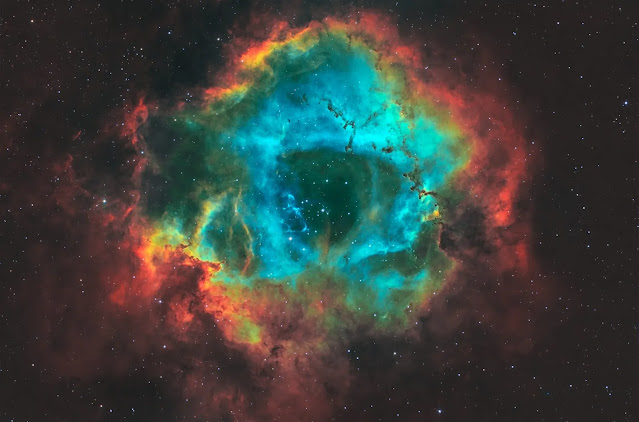
 The Rosette Nebula, a stunning and intricate cosmic structure, is a stellar nursery located in the constellation Monoceros, the Unicorn. This beautiful nebula, resembling a rose in full bloom, is a magnificent example of the wonders of the universe. At CuriousWorlds , we invite you to explore the breathtaking Rosette Nebula and uncover the secrets of its formation and significance. What is the Rosette Nebula? The Rosette Nebula (NGC 2237) is a large, circular emission nebula located approximately 5,000 light-years from Earth. Spanning about 130 light-years in diameter, it is part of a larger molecular cloud that also contains the open star cluster NGC 2244. The nebula's striking appearance, with its petal-like structures, is due to the intense radiation and stellar winds from the young, hot stars at its center. Formation and Structure Star Formation: The Rosette Nebula is a stellar nursery, a region where new stars are born. The nebula's central cluster, NGC 2244, contains yo...

The James Webb Space Telescope: Unveiling the Universe's Secrets πŸ”­πŸŒŒ

Image
 The James Webb Space Telescope (JWST) represents a monumental leap forward in our quest to understand the cosmos. As the most powerful space telescope ever built, JWST is poised to unlock mysteries about the universe’s formation, evolution, and the potential for life beyond Earth. At CuriousWorlds , we delve into the groundbreaking capabilities of JWST and its potential to revolutionize our understanding of the universe. What is the James Webb Space Telescope? The James Webb Space Telescope is an advanced space observatory developed by NASA, the European Space Agency (ESA), and the Canadian Space Agency (CSA). Launched on December 25, 2021, JWST is designed to succeed the Hubble Space Telescope, providing unprecedented clarity and depth in its observations. Key Features of JWST Infrared Vision: Unlike Hubble, which primarily observes in visible and ultraviolet light, JWST operates mainly in the infrared spectrum. This allows it to see through cosmic dust and observe objects that ...

The Mysteries of the Deep Sea: Exploring Earth’s Final Frontier πŸŒŠπŸ”

Image
 The deep sea, often referred to as Earth’s final frontier, is one of the least explored and most mysterious places on our planet. This vast, dark, and cold environment, located thousands of meters below the ocean’s surface, holds a wealth of secrets waiting to be discovered. At CuriousWorlds , we delve into the wonders of the deep sea to reveal its hidden treasures and astonishing inhabitants. What is the Deep Sea? The deep sea encompasses the part of the ocean below 200 meters, where sunlight doesn’t penetrate, plunging the area into perpetual darkness. This extreme environment is characterized by high pressure, low temperatures, and a lack of light, making it one of the most challenging places for life to thrive. Why is the Deep Sea Important? Biodiversity Hotspot: The deep sea is home to a diverse array of species, many of which are still unknown to science. Climate Regulation: Deep-sea processes play a crucial role in regulating Earth’s climate by sequestering carbon and dis...